



What Is A Rollator?

Choosing the right mobility aid often involves navigating a maze of unfamiliar terms and options. From walkers to rollators, understanding what you truly need can be daunting. This is especially true if you’re selecting a mobility aid for yourself or a loved one or even making professional recommendations as a healthcare provider.
But what exactly is a rollator, and how is it different from a walker? More importantly, how can you determine if it’s the right choice for improved mobility and independence?
What Is A Rollator?
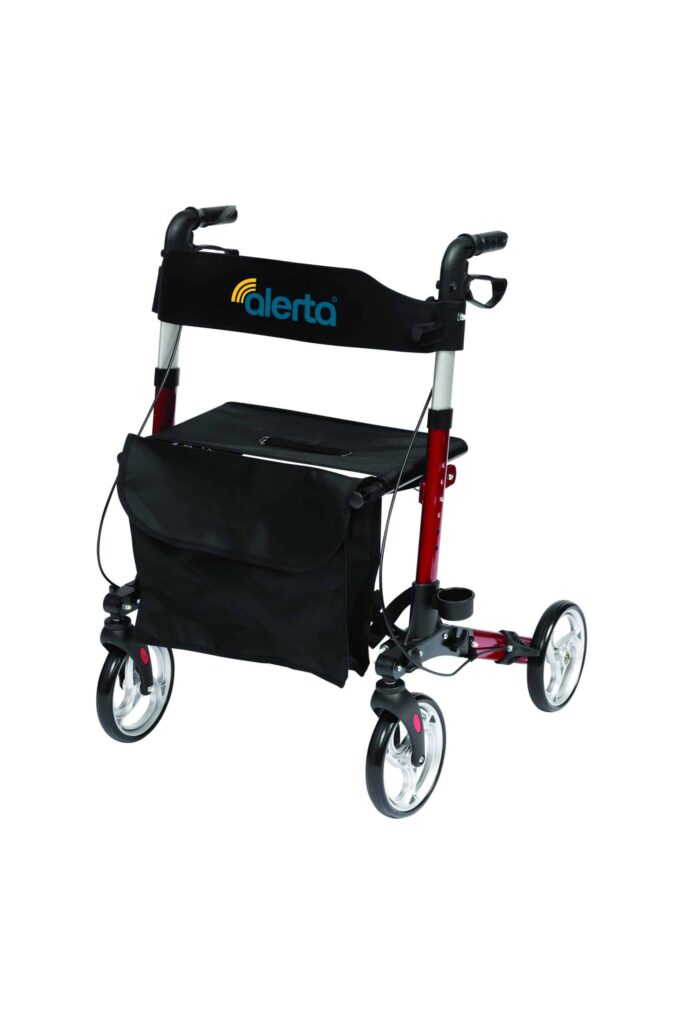
A rollator is a versatile walking aid designed to support and stabilise individuals with limited mobility. Unlike a traditional walker, a rollator features a lightweight frame equipped with wheels, handlebars, and hand brakes, making it practical and easy to use.
Rollators are commonly used by older adults or individuals with disabilities who want to maintain their independence and mobility. They offer a stable support system, allowing users to move freely and confidently indoors or outdoors.
Features of a Rollator
Modern rollators come with several beneficial features designed to enhance convenience and functionality:
- Wheels allow for effortless manoeuvring, reducing the effort required to move.
- Handlebars and hand brakes provide control, ensuring safety and comfort while walking.
- Seats and baskets or bags are commonly included, offering a place to rest during outings and a practical way to carry personal items, groceries, or other essentials.
The manoeuvrability of a rollator is one of its key advantages over a traditional walker. It is particularly suitable for individuals seeking mobility while avoiding the physical strain often associated with fixed-framed walking aids. Rollators are designed to empower users, providing a sense of independence and freedom in their daily lives.
If you’re considering a rollator, rest assured you’ll invest in a reliable and comfortable solution to support your mobility needs.
What Is A Rollator Frame?
A rollator frame is the primary structural element of a rollator that provides essential stability and support for the user. Designed with functionality and accessibility, the frame is crucial in ensuring the rollator is reliable and easy to use. Most rollator frames are crafted from lightweight yet durable materials like aluminium or steel, combining sturdiness with portability.
Here’s a breakdown of the core components that make up a rollator frame and their purpose:
Wheels
Rollators are typically equipped with four wheels designed for smooth and stable manoeuvrability. The two front wheels are usually larger, helping the rollator glide easily across uneven surfaces, while the smaller back wheels provide additional support and control.
Handles
The handles are where the user grips the rollator for guidance and support. They are usually adjustable in height to suit users of different statures, ensuring a comfortable and ergonomic experience.
Brakes
Brakes are an essential safety feature. They are often located on the handles, allowing users to slow down or stop the rollator. This ensures greater control and confidence, particularly on inclines or uneven terrain.
Crossbar
The crossbar connects the handles and enhances the overall stability of the rollator. This simple yet effective feature helps the frame remain sturdy as the user walks.
Additional Features
Many rollators also have added conveniences, such as a built-in seat for resting or a basket for carrying groceries or personal items. These thoughtful touches make a rollator not just practical but also highly user-friendly.
What Is A Rollator Used For?
A rollator is a versatile walking aid designed to enhance mobility, stability, and independence for people with limited mobility. Whether recovering from an injury, managing a long-term condition, or needing extra support, rollators provide a practical solution. Here’s how they can make a difference:
Improved Stability and Balance
- Enhanced Support: With four wheels and a sturdy frame, rollators provide a broader support base to reduce the risk of falls.
- Assured Grip: Ergonomically designed handlebars help users maintain balance and prevent unsteadiness.
Increased Mobility and Independence
- Go Further, Effortlessly: Rollators enable users to walk greater distances than they could without assistance.
- Manoeuvre With Ease: They are highly manoeuvrable, making tackling various terrains and environments easier—from bustling high streets to quiet parks.
Enhanced Safety
- Braking System: Integrated brakes offer control, allowing users to stop or slow down when necessary.
- Improved Reach: Some models are designed at a higher height to help users access items on shelves or counters safely.
Added Convenience
- Rest When Needed: Many rollators come with built-in seats, offering a chance to rest when fatigue sets in.
- Carry Essentials: Equipped with baskets or bags, rollators can hold groceries, personal items, or other necessities.
How To Use A Rollator?
Using a rollator can significantly improve independence and mobility, but initially, it may seem overwhelming. Follow our step-by-step guide to ensure safe and effective use. (Please note that this guide is for informational purposes only. For medical advice or diagnosis, consult a healthcare professional.)
Adjusting the Height
- Begin by standing upright with your arms relaxed at your sides.
- Adjust the handles so the handgrips sit just above your wrists when your arms hang naturally.
- This alignment ensures proper posture and maximum comfort while using the rollator.
Standing and Positioning
- Stand behind the rollator with your feet shoulder-width apart for stability.
- Place your hands firmly on the handles, keeping your elbows slightly bent.
- Ensure the front wheels are a few inches before your feet to prevent tripping while moving forward.
Walking Forward
- Push the rollator gently forward with your hands while stepping with your weaker leg first.
- Then step forward with your stronger leg, moving into the space between the rollator’s front and rear wheels.
- Maintain a consistent, steady pace, using the rollator for balance and support.
Turning
- To turn, pivot on your back foot while smoothly guiding the rollator in the desired direction.
- Avoid abrupt or sharp turns, as these may destabilise the rollator and increase the risk of accidents.
Sitting and Standing
- Sitting: Engage the rollator brakes to lock it securely, then gently lower yourself onto the seat using the handles for support.
- Standing: From a seated position, use your arms and legs to push yourself up, maintaining a firm grip on the handles for stability.
Using the Brakes
- Locate the brakes on the handles, usually levers or squeeze grips.
- Apply gentle pressure to slow or stop the rollator as needed. Engage the brake lock when stationary, particularly before sitting down.
- Be sure to release the brakes entirely before resuming movement.
Rollators vs Walkers
Now that we’ve explored the differences between walkers and rollators, it’s time to determine which one might be best suited to your needs.
A walker is an excellent choice if you require stable, weight-bearing support. Walkers provide superior stability because all four legs touch the ground, making them ideal for individuals who struggle with balance or need extra support when moving or standing still. However, remember that walkers require you to lift and move them forward as you step, which means they are better suited for those with adequate arm strength and grip.
On the other hand, a rollator offers a different set of benefits. While it doesn’t provide the same stability as a walker, it’s perfect for those who can maintain their balance but sometimes need to take a break and sit down, thanks to the integrated seat. Carrying personal items is also more convenient, as most rollators have built-in storage options.
Additionally, a rollator is likely the better option if you find lifting and gripping challenging. Unlike walkers, rollators don’t require lifting. You can simply push them forward as you move, making them much easier to handle for individuals with weaker arms or limited grip strength.
To summarise:
- Choose a walker if you need stable support and weight-bearing assistance due to balance issues.
- Opt for a rollator if you have a better balance but need to sit frequently, carry items, or prefer a device that’s easier to push.
By understanding the specific benefits of each, you can confidently choose the mobility aid that best suits your situation—ensuring greater comfort, ease, and independence in your daily life.
Where To Buy Rollator In The UK?
Are you looking for a reliable and high-quality rollator in the UK? Look no further—Affordable Mobility has got you covered. We pride ourselves on offering a range of rollators designed to enhance mobility, provide comfort, and empower independence.
When purchasing a rollator, selecting one that suits your specific needs is essential, and that’s where we step in. At Affordable Mobility, we combine expertise with a supportive approach to help you find the perfect rollator for your lifestyle. You can be confident in the quality of our products as we carefully curate our selection to ensure that each rollator provides durability, ease of use, and long-lasting support.
With transparent pricing and exceptional customer service, we make the process easy and straightforward. Whether you’re purchasing for yourself or a loved one, you’ll experience smooth guidance every step of the way. Explore our range of rollators today and enjoy peace of mind knowing you’re making a choice backed by trusted advice and excellent aftercare.
Contact Affordable Mobility now to find your ideal rollator and regain your independence with confidence.