



How to Safely Use Your Mobility Scooter on UK Roads
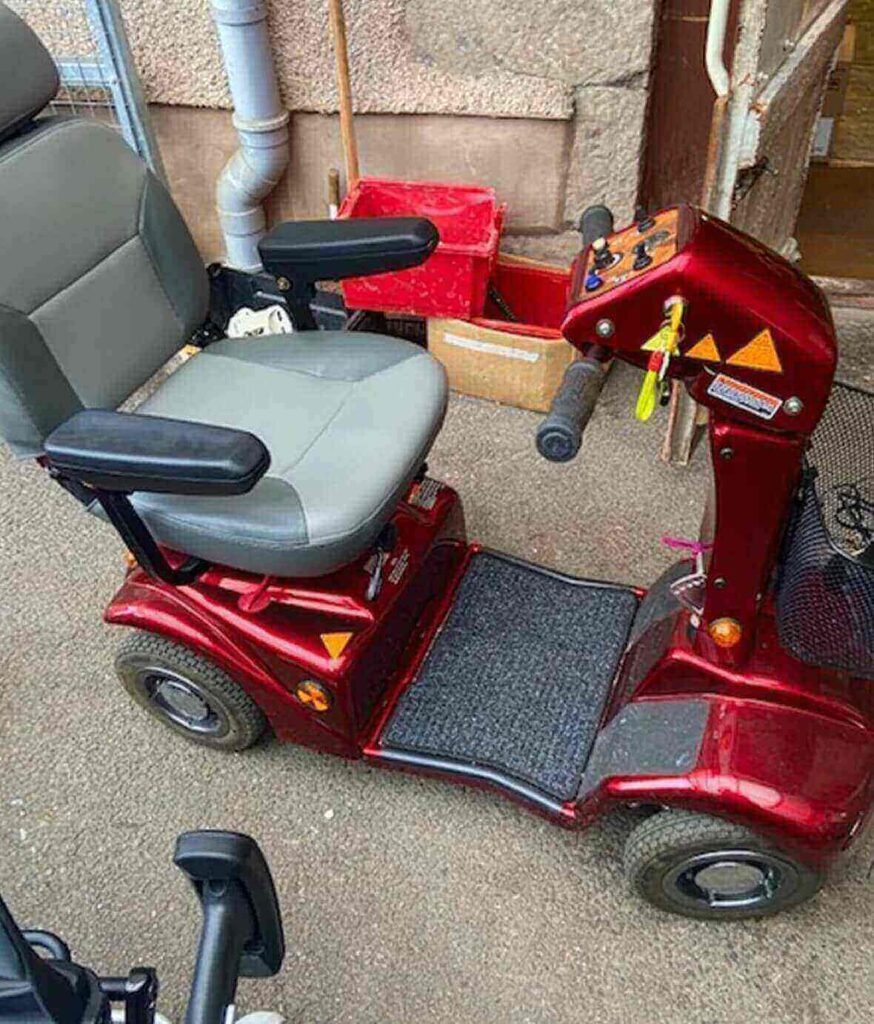
One in five people either uses a mobility scooter or knows someone who does. Most people don’t know the rules that govern these vehicles, even though they’re everywhere.
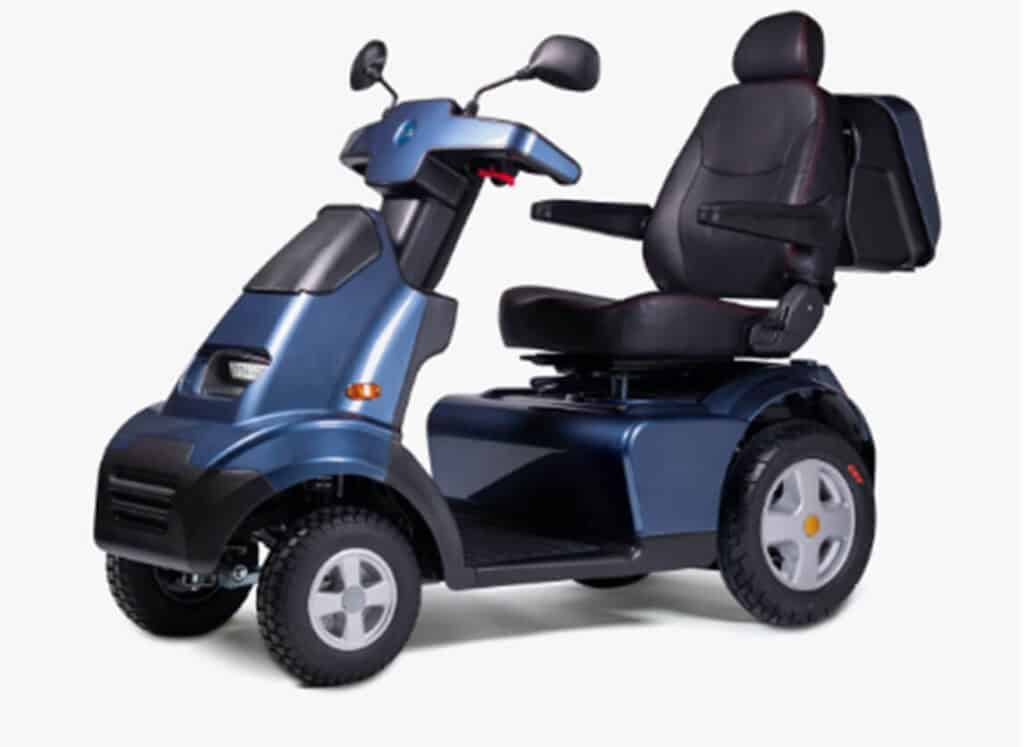
Class 2 mobility scooters can’t go faster than 4mph and aren’t allowed on roads. Class 3 scooters can reach 8mph on roads, but users must follow specific UK laws. The law classifies these scooters as “invalid carriages” instead of motor vehicles, so they don’t need road tax. On top of that, you need to register your Class 3 scooter with the DVLA before taking it on public roads.
This piece covers speed limits, legal driving zones, safety features and regulations you should know. New users and experienced riders will find everything they need to ride safely and legally on UK roads.
Understanding Mobility Scooter Types and Legal Classes
The UK classifies mobility scooters as “invalid carriages” with specific legal categories. You need to know these classifications to operate your scooter safely and legally on UK roads and pavements.
Class 2 vs Class 3: Key Differences
The difference between Class 2 and Class 3 mobility scooters determines where you can drive them and what safety features you need:
Class 2 mobility scooters we designed these for pavement use with these traits:
- Maximum speed of 4mph (6.4kph)
- You can’t use them on roads except to cross or where pavements don’t exist
- They’re smaller, lighter, and more compact
- You can fold or take them apart to fit in cars
- The battery doesn’t last as long
Class 3 mobility scooters come ready for road use with these features:
- Maximum speed of 8mph (12.8kph) on roads and 4mph on pavements
- They need front/rear lights, reflectors, indicators, horn, and rearview mirror
- They can’t weigh more than 150kg when empty
- The width must stay under 0.85 meters
- They need a reliable braking system
- You must use an amber flashing light on dual carriageways
Class 3 scooters need DVLA registration. Class 2 scooters don’t.
Who can use a mobility scooter legally?
The rules are clear about who can use mobility scooters. You have the right to use one if:
- Walking is difficult due to injury, physical disability, or medical condition
- You’re showing the vehicle to potential buyers
- You help train disabled users
- You transport the vehicle to or from repairs
Breaking these rules carries serious consequences – just like driving a car without proper authorization. You could face prison time, driving bans, or unlimited fines.
Do you need a license or training?
You don’t need a driving license for either Class 2 or Class 3 mobility scooters. In spite of that, here’s what you should know:
- The law doesn’t require formal training, but you should get some
- Class 3 scooters need drivers to be at least 14 years old
- Class 2 scooters have no age limits
- Mobility scooters don’t need road tax
- Register Class 3 scooters with DVLA using form V55/4 (new) or V55/5 (used)
- Getting insurance makes sense, though it’s not required
- Your eyesight should let you read a car’s number plate from 12.3 meters (40 feet)
The rules might seem simple, but knowing how to follow mobility scooter laws is vital for your safety and legal protection.
Where You Can and Can’t Drive Your Scooter
You need to know exactly where you can legally drive your mobility scooter on UK infrastructure. The rules change by a lot based on whether you have a Class 2 or Class 3 vehicle.
Using mobility scooters on UK roads
We designed Class 2 scooters for pavement use, and you can’t legally drive them on public roads except to cross streets or where pavements don’t exist. Class 3 scooters, however, can run on roads with speed limits up to 50mph, though you should avoid this to stay safe. On roads, you should:
- Travel in the direction of traffic
- Obey all traffic signals and signs
- Use your lights in poor visibility
- Never use motorways or unrestricted dual carriageways
Class 3 mobility scooters must stay under their maximum road speed of 8mph.
Rules for pavements and pedestrian areas
Both Class 2 and Class 3 mobility scooters can use pavements, but their speed limit is 4mph in these areas. You should also:
- Give pedestrians priority at all times
- Take extra care around children, elderly people, and those with visual impairments
- Avoid mounting or dismounting kerbs over 5cm high unless you have no other option
Can mobility scooters go on dual carriageways?
You can drive Class 3 mobility scooters on dual carriageways that have speed limits of 50mph or less. You must use an amber flashing light to stay visible. Stay as close to the left as safely possible and avoid the right-hand lane. Remember that no mobility scooter can use motorways or unrestricted dual carriageways.
Are scooters allowed in shops and public buildings?
Each establishment has its own policy about access. Most shops and public buildings welcome mobility scooters, especially the smaller Class 2 models. Class 3 users often need to park outside and switch to other mobility aids inside. Some places provide their own mobility scooters that customers can use. Here’s what you should do:
- Check policies before you visit
- Ask venues ahead of time if you’re unsure
- Respect any safety-related restrictions
Essential Road Rules and Safety Requirements
Your safety depends on following UK road and pavement rules while operating a mobility scooter. These rules protect you and other road users.
Mobility scooter speed limit on road and pavement
Your mobility scooter’s speed limits change based on where you ride it. Both Class 2 and Class 3 scooters must not exceed 4mph on pavements and in pedestrian areas. This limit applies everywhere pedestrians walk, including shopping centers and parks.
The maximum permitted speed increases to 8mph for Class 3 scooters on public roads. Most scooters come with a speed-limiting device that helps you stay within legal speeds. Police might stop you and issue penalties if you go faster than these limits.
Required safety features for Class 3 scooters
Your Class 3 mobility scooter needs these safety features to be road-legal:
- Quick braking system
- Front and rear lights and reflectors
- Direction indicators that work as hazard warning signals
- Rearview mirror
- Audible horn
- Clear view of the road and traffic ahead
Police can stop and fine you if your Class 3 scooter misses any of these features or they don’t work properly.
Understanding mobility scooter on road rules
The Highway Code rules apply to you just like other road users. You should always move in the same direction as traffic. Class 2 users need to stay on pavements whenever possible and only use roads to cross or when pavements aren’t available.
You must use lights at night or when visibility is poor. Reflective clothing or adding reflective strips to your scooter will make you more visible to other road users.
Can you use bus or cycle lanes?
Mobility scooters are not permitted to use bus lanes during operation. They also cannot be driven in cycle lanes marked on the road. You can use cycle tracks though – these are paths separated from the road by barriers or distance.
These rules help you stay within UK law while you enjoy the freedom your mobility scooter gives you.
Registration, Insurance, and Other Legal Considerations
You need to know more than just operating your mobility scooter. The UK has specific rules and paperwork you must follow.
Do you need to register with the DVLA?
Your scooter’s classification determines if you need to register it:
- Class 2 mobility scooters don’t need DVLA registration
- Class 3 mobility scooters need DVLA registration
Class 3 scooter owners must complete form V55/MV. Dealers usually handle the paperwork for new scooters. You can register yourself by filling form V55/4 for new vehicles or V55/5 for used ones if they don’t. The DVLA will send your vehicle log book (V5C) within 4-6 weeks. You can update your details later by completing section 6 of your log book and sending it to them.
Is insurance mandatory or optional?
The law doesn’t require insurance for Class 2 or Class 3 mobility scooters, though the UK government strongly recommends it. Only scooters weighing more than 254kg that don’t fit in a class must have insurance.
Insurance offers valuable protection even though it’s optional:
- Coverage if your scooter gets stolen or damaged
- Protection against third-party claims
- Help with legal costs
- Extra safety when you’re on the road
Many people choose to get insurance because it costs much less than regular vehicle coverage.
What about road tax and age restrictions?
Here’s some good news – you don’t need to pay road tax for any mobility scooter or powered wheelchair registered with the DVLA. This includes Class 3 scooters used on roads.
The age rules are simple:
- You must be 14 or older to use a Class 3 mobility scooter
- Class 2 scooters have no age limits
These rules make sense and with good reason too. Note that you still need to meet the basic requirements to use a mobility scooter, whatever your age or registration status.
Our Final Say!
UK mobility scooter regulations might seem complex initially, but knowing these rules will give a safer and legally compliant experience. The fundamental differences between Class 2 and Class 3 scooters determine where each can legally operate. Users need to understand who qualifies to use these vehicles and what safety features they need.
Your safety matters most when using any mobility device on UK roads or pavements. Speed limits protect you and nearby pedestrians – 4mph on pavements and 8mph on roads for Class 3 scooters. Class 3 scooter’s registration with the DVLA helps avoid legal issues.
Insurance isn’t legally required, but think over this protection due to potential risks of road travel. Your mobility scooter gives you independence and freedom to move safely.
Make sure your scooter meets all legal requirements before heading out. Check if all safety features work properly and familiarize yourself with your scooter class’s specific rules. This approach will boost your confidence during travels.
Note that these regulations don’t restrict your movement – they safeguard everyone in public spaces. A mobility scooter is a great way to get independence, and following these guidelines helps preserve that freedom while keeping others safe around you.