

Finding the Best Pillow for Comfort, Support and Better Sleep

A good pillow can make a real difference to how comfortable you feel in bed. While mattresses often get most of the attention, the pillow you use every night plays an important role in supporting your head, neck and shoulders.
The right pillow should help you rest in a natural position. The wrong pillow can leave you waking with stiffness, discomfort or the feeling that you have not slept properly. It may be too high, too flat, too soft, too firm or simply no longer supportive enough.
Finding the best pillow is not about choosing the most expensive option. It is about choosing one that suits your sleeping position, body shape, mattress and personal comfort needs.
Why Your Pillow Matters
Your pillow helps support the space between your head, neck and shoulders while you sleep. If that support is not right, your neck may bend upwards, drop downwards or twist awkwardly during the night.
Harvard Health notes that pillows can either help or contribute to discomfort depending on their firmness and your sleeping position. A pillow that is too soft or too firm may lead to neck pain for some people.
This is why pillow choice is personal. A pillow that feels perfect for one person may feel completely wrong for someone else.
Start With Your Sleeping Position
Your usual sleeping position is one of the most important things to consider when choosing a pillow. Side sleepers, back sleepers and front sleepers usually need different levels of height and support.
Sleep Foundation explains that side and back sleeping are generally considered more supportive than sleeping on the stomach because they make it easier to keep the spine supported and balanced.
That does not mean everyone must sleep in the same position, but it does mean your pillow should work with the way you naturally rest.
Best Pillow for Side Sleepers
Side sleepers usually need a pillow with enough height to fill the gap between the shoulder and the head. If the pillow is too low, the head may tilt down. If it is too high, the neck may bend upwards.
A medium to firm pillow often works well for side sleepers because it can help keep the head and neck more level. People with broader shoulders may need a deeper pillow than someone with a smaller frame.
A second pillow between the knees may also help some side sleepers feel more aligned and comfortable, particularly if they experience hip or lower back discomfort.
Best Pillow for Back Sleepers
Back sleepers usually need a pillow that supports the natural curve of the neck without pushing the head too far forward.
Harvard Health advises that side and back sleeping are easiest on the neck. For back sleepers, it suggests using a rounded pillow to support the natural curve of the neck, with a flatter section cushioning the head.
A medium-height pillow is often a good starting point. If the pillow is too thick, the chin may be pushed towards the chest. If it is too thin, the neck may not feel properly supported.
Some back sleepers also find it more comfortable to place a small pillow under the knees. Sleep Foundation notes that a supportive pillow under the knees may help back sleepers feel more comfortable while keeping the neck and spine aligned.
Best Pillow for Front Sleepers
Front sleeping can place more strain on the neck because the head is usually turned to one side for long periods. For this reason, front sleepers often need a very thin pillow, or sometimes no pillow under the head at all.
A thick pillow can lift the head too high and increase twisting through the neck. If you sleep on your front and regularly wake with neck discomfort, it may be worth trying a flatter pillow or gradually moving towards side sleeping.
If you have ongoing pain, numbness, stiffness or symptoms that are getting worse, it is sensible to seek advice from a GP, physiotherapist or healthcare professional.
Pillow Height: Too High, Too Low or Just Right?
Pillow height is often called “loft”. This simply means how tall or deep the pillow is.
A pillow that is too high can push the neck out of alignment. A pillow that is too low can allow the head to drop. The aim is to keep your head, neck and upper spine in a comfortable, natural position.
East Lancashire Hospitals NHS guidance says a pillow should support the head and neck by filling the natural hollow between the head and shoulders. It also suggests that one pillow is usually best, and that a supportive roll inside the pillowcase may help some people support the hollow of the neck.
A useful test is how you feel in the morning. If you regularly wake with neck stiffness, shoulder tension or headaches, your pillow may not be giving you the right support.
Pillow Firmness: Soft, Medium or Firm?
Firmness matters just as much as height. A pillow can be the right thickness but still feel wrong if it collapses too much or feels too hard.
Soft pillows may feel comfortable at first, but they can flatten during the night. Firm pillows can offer more structure, but they may feel uncomfortable if they create pressure around the head, ears or jaw.
For many people, a medium-support pillow is a good starting point. Side sleepers may prefer something slightly firmer, while back sleepers may prefer a medium pillow that supports the neck without forcing the head forward.
Common Pillow Materials
Different pillow fillings create different levels of comfort, support and temperature control.
Memory foam pillows mould around the head and neck. They can be helpful for people who like a more shaped, supportive feel. Some are solid foam, while others use shredded foam for a softer and more adjustable feel.
Latex pillows tend to be responsive and supportive. They usually spring back more quickly than memory foam and may suit people who dislike the sinking feeling of foam.
Hollowfibre pillows are common, affordable and lightweight. They can be comfortable, but lower-quality versions may flatten more quickly.
Feather and down pillows feel soft and luxurious, but they may not provide enough structure for everyone. They also need regular plumping and may not suit people with allergies.
Adjustable-fill pillows allow you to add or remove filling. This can be useful if you are unsure what height you need or if your comfort needs change.
Pillows for Neck Pain
If you experience neck discomfort, your pillow may be part of the problem, but it is not always the only cause. Sleeping position, mattress support, posture, stress, injury and health conditions can all affect how your neck feels.
The NHS advises people with neck pain to use a low, firm pillow as one of several self-care steps, alongside measures such as gentle movement and heat or cold packs where suitable.
A supportive pillow may help some people, but persistent or severe pain should not be ignored. Seek medical advice if neck pain does not improve, follows an injury, spreads down the arm, causes weakness or is linked with other concerning symptoms.
Pillows for Older Adults
As people get older, comfort and support can become even more important. Stiffness, reduced mobility, arthritis, shoulder discomfort and changes in sleeping habits can all affect pillow choice.
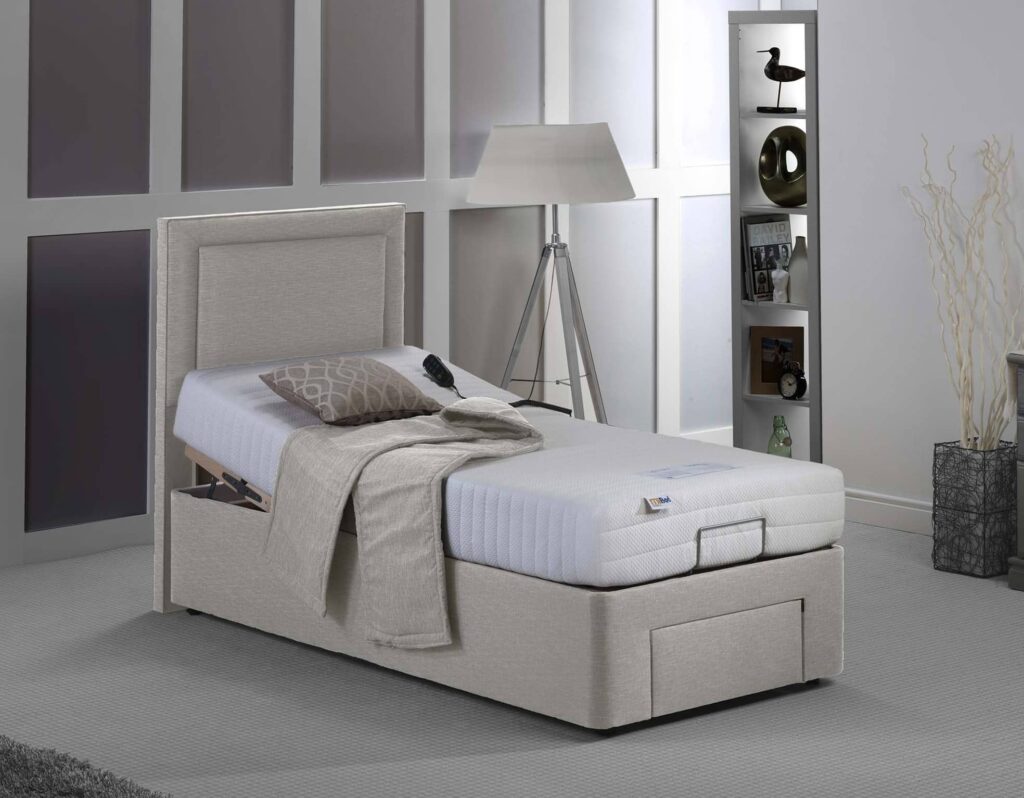
A pillow that is easy to position, not too heavy and supportive enough through the night can make bedtime more comfortable. Some people may also benefit from additional bedroom aids, such as an adjustable bed, bed grab rail, pressure-relieving mattress or support cushion.
The best option depends on the person’s daily routine, mobility and comfort needs. A pillow should make resting easier, not more complicated.
How Often Should You Replace a Pillow?
Pillows do not last forever. Over time, they lose shape, flatten, collect moisture and stop giving the same level of support.
You may need a new pillow if:
- It has gone flat or lumpy
- You keep folding it to get comfortable
- You wake with neck or shoulder stiffness
- It no longer returns to shape
- It feels uncomfortable even after washing or plumping
- It is stained, worn or no longer feels fresh
A simple test is to fold the pillow in half. If it stays folded and does not spring back, it may no longer be supportive enough.
How to Choose the Best Pillow
When choosing a pillow, think about how you actually sleep rather than how you would like to sleep. Your usual position, shoulder width, mattress firmness and comfort preferences all matter.
A softer mattress may allow your body to sink more, which can change how much pillow height you need. A firmer mattress may keep your shoulders higher, especially if you sleep on your side, meaning you may need a deeper pillow.
Before buying, consider:
- Your main sleeping position
- Whether you wake with stiffness
- How broad your shoulders are
- Whether you prefer soft or firm support
- Whether you get warm at night
- Whether you have allergies
- Whether the pillow is washable
- Whether the pillow keeps its shape
- Whether the height can be adjusted
The best pillow should feel comfortable when you first lie down and still supportive when you wake up.
Is an Expensive Pillow Always Better?
Not always. A more expensive pillow may use higher-quality materials, but price does not guarantee comfort.
The best pillow is the one that suits your body and sleep position. A simple, well-made pillow that keeps your neck supported is often better than a costly pillow that is the wrong height or firmness.
If possible, check the returns policy before buying, especially if you are trying a new material or shape for the first time.
Signs You Have Found the Right Pillow
You may have found the right pillow if your head feels supported without being pushed upwards, your neck feels relaxed, your shoulders are not cramped, and you can settle comfortably without constantly adjusting it.
You should not need to stack several pillows to feel supported. You should also not wake up feeling as though your neck has been held in an awkward position.
A good pillow should quietly do its job. You should not have to think about it all night.
Final Thoughts
Finding the best pillow is about comfort, support and suitability. There is no single pillow that works for everyone, because sleep position, body shape and personal preference all make a difference.
Side sleepers usually need more height and support. Back sleepers often need a medium pillow that supports the neck without lifting the head too much. Front sleepers generally need a much thinner pillow because the neck is already turned while sleeping.
If you regularly wake with stiffness or discomfort, your pillow is worth reviewing. A better pillow may not solve every sleep problem, but it can make your bed more comfortable, your neck better supported and your nights more restful.
FAQs About Choosing a Pillow
What type of pillow is best for neck support?
The best pillow for neck support is one that keeps your head and neck in a natural position. For many people, this means a pillow that is not too high, not too flat and firm enough to support the neck without creating pressure.
Is a firm pillow better than a soft pillow?
A firm pillow is not automatically better. Side sleepers often need more support, while back sleepers may prefer medium support. A pillow that is too firm can feel uncomfortable, while a pillow that is too soft may collapse during the night.
How do I know if my pillow is too high?
Your pillow may be too high if your chin is pushed towards your chest, your neck feels bent, or you wake with stiffness at the front or back of the neck. Your head should feel supported, not forced upwards.
How do I know if my pillow is too low?
Your pillow may be too low if your head drops backwards or down towards the mattress. Side sleepers may notice this more because the gap between the shoulder and head is not properly filled.
Should I sleep with one pillow or two?
One supportive pillow is usually better than stacking several pillows. Stacked pillows can shift during the night and may push the neck into an awkward angle. If you need more height, it may be better to choose one deeper, more supportive pillow.
What pillow is best for side sleepers?
Side sleepers usually need a medium to firm pillow with enough height to keep the head and neck level. The pillow should fill the gap between the shoulder and the side of the head without tilting the neck upwards.
What pillow is best for back sleepers?
Back sleepers often suit a medium-height pillow that supports the curve of the neck while keeping the head comfortable. A pillow that is too thick can push the head forward.
What pillow is best for front sleepers?
Front sleepers usually need a very thin pillow because the neck is already turned to one side. A thick pillow can increase strain by lifting the head too far.
Can the wrong pillow cause neck pain?
The wrong pillow can contribute to neck discomfort if it leaves the neck bent, unsupported or twisted for long periods. However, neck pain can have many causes, so ongoing or severe pain should be checked by a healthcare professional.
When should I replace my pillow?
You should consider replacing your pillow when it becomes flat, lumpy, stained, uncomfortable or no longer supportive. If you keep waking with stiffness and your pillow has lost its shape, it may be time for a new one.