

Bedroom Aids That Can Make Everyday Life Easier
The bedroom should feel safe, comfortable and easy to use. For many people, it is the room where the day starts and ends, which means small difficulties can quickly become frustrating. Getting in and out of bed, reaching for items, dressing, moving safely at night or finding a comfortable resting position can all become harder with age, illness, reduced mobility or recovery from surgery.
Bedroom aids are designed to make everyday routines easier. They can support independence, improve comfort and help make the bedroom feel more practical without needing major changes to the home.
Some bedroom aids are simple, low-cost items such as grab rails, leg lifters or dressing aids. Others, such as adjustable beds or specialist mattresses, are bigger investments. The right choice depends on the person, their mobility, their health needs and how they use the bedroom day to day.
What Are Bedroom Aids?
Bedroom aids are products designed to make the bedroom easier and safer to use. They can help with movement, comfort, positioning, dressing, reaching, night-time safety and getting in or out of bed.
The NHS lists several household gadgets that can make everyday life easier, including bed grab rails, leg lifters and equipment to raise the bed. These types of aids can be especially useful for people who find everyday movements more difficult than they used to.
Bedroom aids do not always need to be complicated. In many cases, a small piece of equipment can make a noticeable difference to confidence and independence.
Bed Grab Rails
A bed grab rail can provide extra support when getting in and out of bed. It gives the user something secure to hold while moving from lying down to sitting, or from sitting to standing.
This can be useful for people who feel unsteady, have reduced strength or find it difficult to push themselves upright from a flat mattress. A grab rail can also help someone reposition themselves in bed.
It is important to choose the correct type of rail. Living Made Easy explains that bed grab handles are designed to help a person get in and out of bed or move around in bed, but they should not be used as bed rails to stop someone rolling out. Bed rails and grab handles have different purposes, so the right product should be chosen carefully.
Leg Lifters
A leg lifter is a simple aid that helps someone move their legs onto or off the bed. It usually has a loop for the foot and a strap or handle that can be used to guide the leg.
This can be useful for people with reduced leg strength, stiffness, hip or knee discomfort, or difficulty lifting their legs independently.
A leg lifter can be particularly helpful after an operation or during recovery, but it should only be used if it is suitable for the person’s needs. If movement is painful, worsening or linked to a medical condition, professional advice should be sought.
Adjustable Beds
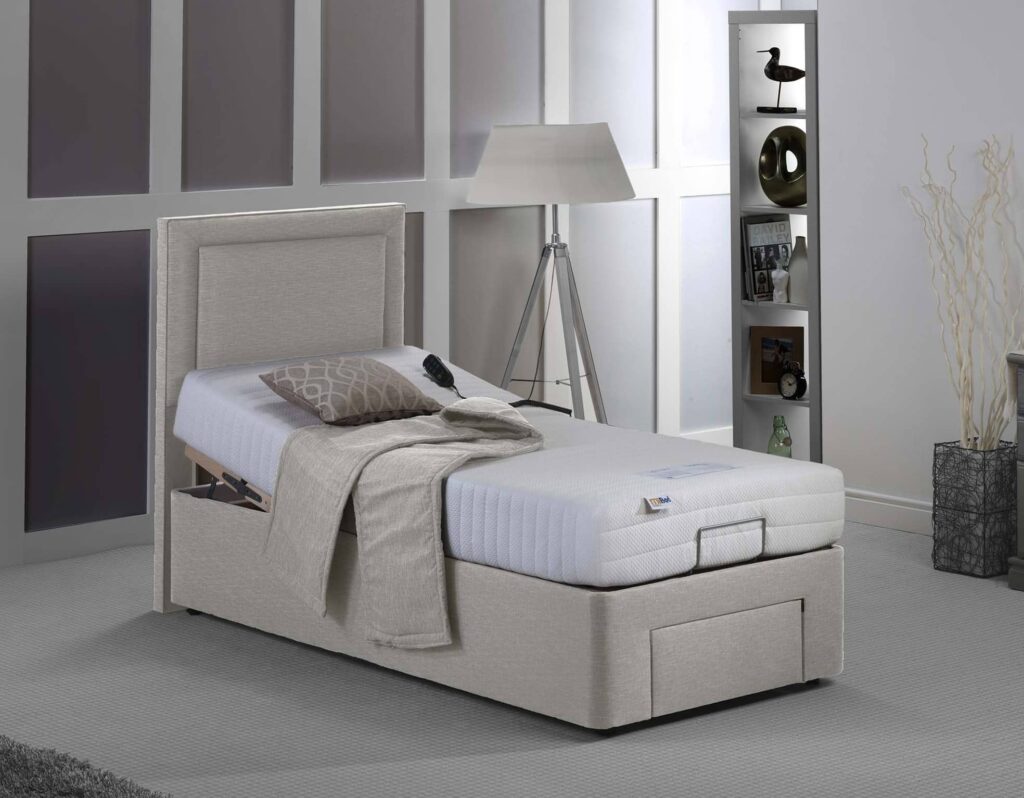
An adjustable bed allows the user to raise or lower different sections of the bed, usually the head and leg areas. This can make it easier to sit up, rest, read, watch television or find a more comfortable sleeping position.
For some people, an adjustable bed can also make getting out of bed easier because the upper body can be raised before standing. This may reduce the effort needed to move from lying down to sitting.
Adjustable beds can be especially useful for people who spend longer periods in bed, struggle to get comfortable when lying flat, or want more control over their resting position.
However, an adjustable bed is a bigger purchase than many other bedroom aids. It is important to consider the mattress, bed size, controls, delivery, warranty and whether the bed suits the person’s mobility needs.
Bed Raisers
If a bed is too low, standing up can become more difficult. Bed raisers can lift the bed to a more suitable height, making it easier to sit on the edge of the mattress and stand safely.
NHS Inform notes that chairs and beds that are too low can make it harder to get up and steady yourself. It also highlights soft mattresses, pillows and cushions as possible fall hazards in the home.
This is why bed height matters. A bed should not be so low that the user struggles to stand, but it should not be so high that their feet do not rest comfortably on the floor when seated.
Bed raisers should be strong, stable and suitable for the bed frame. They should not make the bed wobbly or unsafe.
Overbed Tables
An overbed table provides a flat surface that can be used while sitting or lying in bed. It can be useful for meals, drinks, books, medication, phones, tablets, glasses or personal items.
This can help people who spend more time resting or who find it difficult to keep getting up and down throughout the day.
An overbed table should be positioned safely and should not block movement around the bed. If it has wheels, the brakes should be used where fitted, and it should not be treated as a walking or standing aid.
Bed Cradles
A bed cradle keeps bedding raised away from the legs or feet. This can be useful for people who find the weight of sheets or blankets uncomfortable.
It may help if someone has sensitive skin, swelling, foot discomfort or needs to avoid pressure from bedding. Bed cradles are usually positioned under the mattress or at the end of the bed, depending on the design.
This is a simple aid, but it can make a big difference to comfort for the right person.
Dressing Aids
The bedroom is often where people get dressed, so dressing aids can be just as important as bed aids.
Useful dressing aids may include long-handled shoe horns, sock aids, button hooks, zip pullers and reachers. These can help people get dressed with less bending, stretching or strain.
The NHS includes gadgets for dressing, such as hooks to help with zips, buttons and jackets, as examples of equipment that can make everyday tasks easier.
Dressing aids can be particularly useful for people with arthritis, reduced grip, back discomfort or limited movement in the shoulders, hips or knees.
Reachers and Grabbers
A reacher can help someone pick up items from the floor, pull clothing closer, reach light objects from a shelf or avoid unnecessary bending.
This can make the bedroom feel easier to manage, especially if someone struggles with balance or stiffness.
Reachers should be used sensibly. They are useful for light items, but they should not be used to lift heavy objects or anything that could cause a loss of balance.
Bedroom Chairs
A supportive bedroom chair can make dressing, resting and getting ready much easier. It gives the user somewhere stable to sit while putting on shoes, folding clothes or preparing for the day.
The chair should be the right height, have a firm seat and ideally have arms to help with sitting and standing. Very low, soft or unstable chairs can make movement harder.
A good bedroom chair is a simple addition, but it can improve comfort and reduce the need to rush everyday tasks.
Night Lights and Motion Sensor Lighting
Moving around in the dark increases the risk of trips and falls. A night light or motion sensor light can make it easier to see the route from the bed to the door, bathroom or hallway.
This can be especially useful for people who get up during the night, take medication, use the toilet frequently or feel unsteady when first standing.
Lighting should be bright enough to show the floor clearly, but not so bright that it makes it difficult to return to sleep.
Pressure-Relieving Mattresses and Cushions
For people who spend long periods in bed, pressure relief may become important. Specialist mattresses and cushions can help improve comfort and reduce pressure on certain areas of the body.
The right product depends on the person’s skin condition, mobility and how long they spend in bed. Anyone at risk of pressure sores or skin breakdown should seek professional advice from a healthcare professional, occupational therapist or nurse.
A pressure-relieving mattress should be chosen for comfort, support and suitability, not just softness.
Personal Alarms and Call Buttons
A personal alarm or call button can help someone feel safer in the bedroom, especially if they live alone or are at risk of falling.
Some alarms can be worn as a pendant or wristband. Others may be placed near the bed. They can give reassurance that help can be called if needed.
For people with reduced mobility, a phone, alarm or call button should always be within easy reach from the bed.
When Should You Consider Bedroom Aids?
Bedroom aids may be worth considering if someone:
- Struggles to get in or out of bed
- Feels unsteady when standing
- Finds it hard to sit up from lying down
- Has difficulty lifting their legs onto the bed
- Wakes up stiff, uncomfortable or unsupported
- Finds dressing difficult
- Gets up during the night and worries about falling
- Spends long periods resting in bed
- Wants to remain independent at home for longer
The right aid can make the bedroom easier to use without making it feel clinical or complicated.
Getting Advice Before Buying
Not every aid is suitable for every person. A product that works well for one person may be unsafe or unsuitable for someone else.
The NHS explains that home adaptations can be small or large and that an assessment may recommend household gadgets and equipment to make life easier. Age UK also advises contacting the local council to arrange a care needs assessment as a first step for many types of adaptations and equipment.
This can be helpful if someone is unsure what they need, has several mobility difficulties or may require support with funding.
In some cases, financial help may be available. Disabled Facilities Grants can help towards the cost of making changes to a home so a disabled person can continue living there.
Choosing the Right Bedroom Aid
When choosing bedroom aids, think about the person’s daily routine rather than just the product itself.
Ask what task is difficult. Is it sitting up? Standing? Dressing? Reaching? Moving at night? Getting comfortable? Once the problem is clear, it becomes easier to choose the right aid.
It is also important to consider:
- The person’s height, strength and mobility
- The size and layout of the bedroom
- Whether the aid will be used every day
- Whether it is easy to clean and maintain
- Whether it feels stable and secure
- Whether professional fitting is needed
- Whether the user feels confident using it
A bedroom aid should make life easier, not create more difficulty.
Final Thoughts
Bedroom aids can make everyday life easier by improving comfort, supporting independence and making daily routines feel more manageable.
For some people, a simple grab rail, leg lifter or reacher may be enough. For others, an adjustable bed, pressure-relieving mattress or more specialist equipment may be more suitable.
The best bedroom aid is the one that solves a real problem safely and comfortably. Whether the aim is easier movement, better rest, safer nights or more confidence at home, the right equipment can make the bedroom a more practical and reassuring place to be.
FAQs About Bedroom Aids
What are the most useful bedroom aids?
Some of the most useful bedroom aids include bed grab rails, leg lifters, adjustable beds, bed raisers, overbed tables, reachers, dressing aids, night lights and supportive bedroom chairs. The best choice depends on the person’s mobility and daily routine.
Can bedroom aids help someone stay independent at home?
Yes, bedroom aids can help some people stay more independent by making everyday tasks easier. They can support getting in and out of bed, dressing, reaching items, resting comfortably and moving safely at night.
Are bed rails and bed grab rails the same thing?
Not always. A bed grab rail is usually designed to help someone move in bed or get in and out of bed. A bed rail is often used to reduce the risk of rolling out of bed. The correct product should be chosen carefully, especially if the person is frail, confused or at risk of entrapment.
Do I need an assessment before buying bedroom aids?
For simple items, an assessment may not always be necessary. However, if someone has complex needs, a high fall risk, pressure concerns or uncertainty about what equipment is suitable, it is sensible to seek advice from an occupational therapist, GP, physiotherapist or local council care needs assessment.
Are adjustable beds worth it?
An adjustable bed can be worth it if it improves comfort, makes sitting up easier or helps someone get in and out of bed more confidently. It may not be necessary for everyone, so it is important to consider the person’s needs, mattress type, bedroom layout and budget before buying.