



Funding and Grants Available for Mobility Scooters

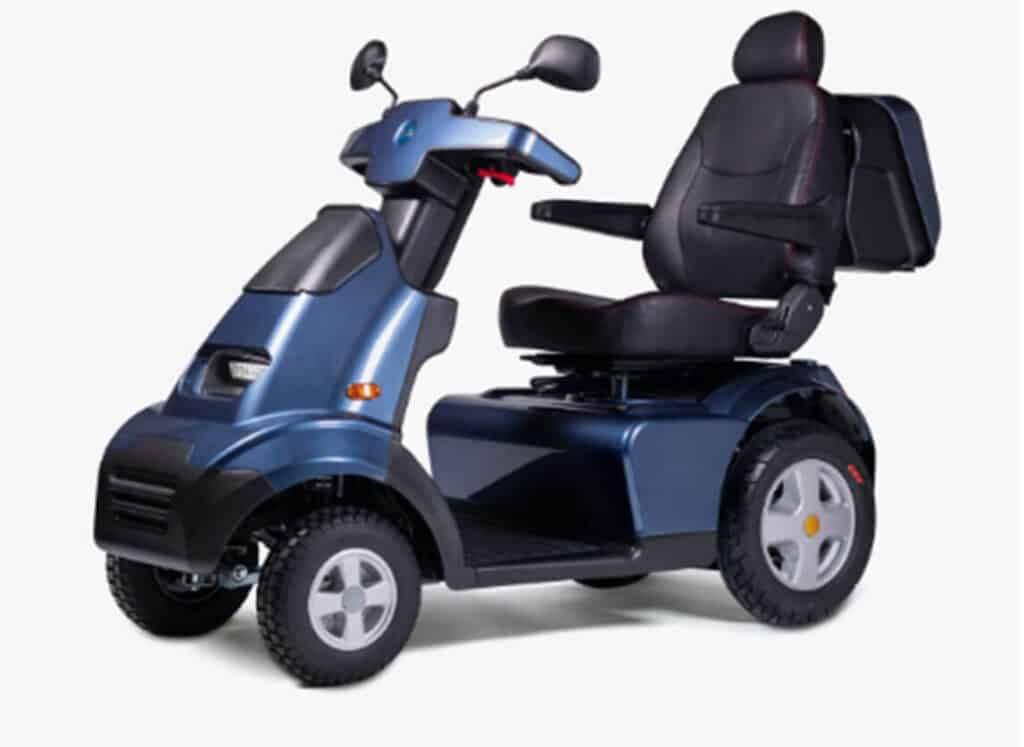
If you’ve reached a point where walking longer distances is difficult, a mobility scooter can feel like a lifeline. It’s not just about getting from A to B; it’s about having the freedom to go to the shops, visit friends, or take part in activities without relying on someone else. The problem? The upfront cost of a mobility scooter can be daunting. For many, it’s simply not possible to pay for one outright, especially if you’re already managing on a tight budget.
The good news is that there are funding options out there. From government benefits like Personal Independence Payment (PIP) to national and local grants, charitable support, and even community fundraising, there are several ways you can get help. This guide walks you through those options in plain, practical language, so you know exactly where to start and what’s available to you.
Why Mobility Scooters Matter
When you have reduced mobility, the world can feel smaller. Journeys that used to be simple suddenly become exhausting or even impossible. A mobility scooter changes that. It gives you independence, lets you make plans without worrying about how you’ll get there, and keeps you connected to your community.
With the right funding in place, you don’t have to see a scooter as an impossible luxury. It becomes an affordable, realistic part of your life. Whether you want to pop to the shops, enjoy time in the park, or visit family, a scooter can give you the control to do it on your own terms.
Using PIP (Personal Independence Payment)
PIP is a benefit designed to help with the extra costs of living with a long-term illness or disability. It’s not means-tested, so your income or savings won’t affect your eligibility. PIP is split into two parts: the daily living component and the mobility component.
The mobility component is the one that matters here. There are two rates:
- Standard rate: £28.70 per week
- Enhanced rate: £75.75 per week
If you’re awarded the enhanced rate, you can put that money towards the cost of buying or leasing a mobility scooter. You’re not restricted to using it for a specific scheme, so you can decide whether to purchase your own or join a programme like Motability. The flexibility means you can choose what works best for your lifestyle and needs.
The Motability Scheme
The Motability Scheme is one of the most popular ways people use their PIP mobility allowance. If you receive the enhanced rate, you can exchange it directly for a lease on a mobility scooter or powered wheelchair.
Here’s what’s included in the scheme:
- Insurance cover for you, plus third-party and accidental damage protection
- Servicing, repairs, and regular maintenance
- Breakdown assistance
- Tyre and battery replacement
Some scooters are fully covered by your PIP payment, meaning you won’t need to pay anything extra. Others require an advance payment, which is a one-off cost when you first take out the lease. The advantage of Motability is that it removes the worry about repairs, insurance, and keeping the scooter in good condition — it’s all taken care of.
Local Council Grants
Your local council might offer grants or loans to help with mobility aids. These are often handled through social services or adult care departments. The availability can vary a lot between councils, and some schemes are based on your income or savings, so it’s worth checking your local authority’s website or giving them a call.
To apply, you’ll usually need:
- Proof of medical need (from a GP or occupational therapist)
- Evidence of your financial situation (if it’s a means-tested grant)
- Details about the scooter you want and how it will help you
Some councils provide funding through Disabled Facilities Grants, though these are more commonly used for home adaptations. Still, it’s worth asking, as a scooter might be considered if it’s essential for your independence.
Charitable Grants and Support
If you don’t qualify for council funding, charities can be a valuable source of help. National charities like Age UK, British Red Cross, and Turn2Us sometimes offer grants or can point you towards other organisations. Local disability groups may also have small funds set aside for mobility equipment.
Some charities will provide full grants to cover the cost of a scooter, while others may offer partial funding to top up what you already have. There are also schemes where refurbished second-hand scooters are given to people who need them, often free of charge.
To find relevant charities:
- Search online using terms like “mobility scooter grant UK” or “mobility aid funding”
- Ask at your local community centre, library, or GP surgery
- Check with national organisations that support your specific health condition
NHS and Healthcare Funding
While NHS wheelchair services don’t typically provide mobility scooters, they may offer powered wheelchairs if your mobility needs are significant. You’ll need a referral from a GP or an occupational therapist for an assessment. In some cases, this could be an alternative if a scooter isn’t suitable for your needs.
It’s also worth discussing your situation with your healthcare team. They might be aware of funding sources you haven’t considered, or they can help you prepare the supporting evidence you’ll need for applications.
Fundraising and Community Help
If official funding routes don’t work out, you could look into raising the money yourself. Crowdfunding platforms like GoFundMe allow you to share your story online and receive donations from friends, family, and even strangers who want to help. It’s important to explain clearly why you need the scooter, what it will cost, and how it will improve your daily life.
Offline, you might find support through local churches, social clubs, or community groups. People are often more willing to help than you might expect, especially when they understand how much difference a scooter will make.
Tips for Applying for Funding
Getting funding can take time, and it’s important to be prepared. Here are some tips to improve your chances:
- Keep a folder with all your medical evidence, benefit award letters, and any assessments.
- Be specific about your needs. Don’t just say “I can’t walk far” — explain how this affects your life and how a scooter will change that.
- Apply as early as possible, as some grants have long waiting lists.
- Don’t be afraid to follow up. A polite phone call or email can keep your application moving.
Our Final Say!
A mobility scooter can completely change how you live your life, but the cost doesn’t have to be a barrier. With PIP, the Motability Scheme, council support, charities, and even community fundraising, there are more routes to funding than you might think. The key is knowing where to look, gathering the right evidence, and being clear about why you need it.
You deserve the independence and freedom a mobility scooter can offer, and with the right help, it’s within reach. Explore every option, ask for advice when you need it, and take the first step towards regaining control of your mobility.
FAQ
Can I get a free mobility scooter on PIP?
If you receive the enhanced rate of the mobility component of PIP, you can use it to lease a scooter through the Motability Scheme, sometimes with no extra cost.
What grants are available for mobility scooters in the UK?
Options include local council grants, charitable funding, and community schemes, though availability varies by area.
How does the Motability Scheme work for scooters?
You exchange your PIP mobility allowance for a scooter lease that includes insurance, servicing, and breakdown cover.
Can charities help me get a mobility scooter?
Yes, many charities provide full or partial funding, or they may supply refurbished scooters free of charge.