




Do You Need Insurance for a Mobility Scooter?

If you’ve recently bought a mobility scooter, or you’re thinking about getting one, insurance might not be the first thing on your mind. But sooner or later, you’ll probably start asking the same question many others do — do I need insurance for this? And while it’s not something that’s forced by law, it’s definitely something worth thinking through. Whether you’re using your scooter to pop to the shops, meet friends, or just enjoy some fresh air, having the right cover can give you reassurance, protection, and more freedom.
This guide walks you through everything in plain terms. No legal waffle. No hard sell. Just the facts and real-world reasons to help you decide what’s best for your situation.
Understanding Mobility Scooter Insurance in the UK
Before diving into the pros and cons of getting insured, it helps to understand what mobility scooter insurance actually is, where it fits within UK regulations, and how the rules change depending on what type of scooter you’re using.
What Is Mobility Scooter Insurance?
Mobility scooter insurance is designed to protect you, your scooter, and sometimes the people around you. It’s similar to car insurance in principle — but it’s tailored for powered mobility equipment. It typically covers things like accidental damage, theft, vandalism, third-party claims (if you bump into someone or something), and sometimes breakdown assistance too.
Policies vary depending on what you need. Some are basic, covering just the essentials, while others are more comprehensive. The main aim is to reduce the impact of unexpected problems and help you stay mobile, safe, and stress-free.
Is Insurance a Legal Requirement?
In the UK, mobility scooter insurance is not legally required — even if you use your scooter on the pavement or public road. That means you’re not breaking the law if you don’t have it. But just because it’s optional doesn’t mean it’s unnecessary.
For Class 3 scooters (the ones that can go up to 8mph and are allowed on the road), you do need to register the scooter with the DVLA, but insurance still isn’t compulsory. You won’t need to pay vehicle tax or have a driving licence either. So, from a legal point of view, you’re in the clear.
Still, when you consider how easily things can go wrong — especially outdoors or in public spaces — the idea of having cover becomes a lot more appealing.
The Role of Class 2 and Class 3 Scooters
Understanding your scooter’s class can help you decide if insurance is worth having. There are two main types:
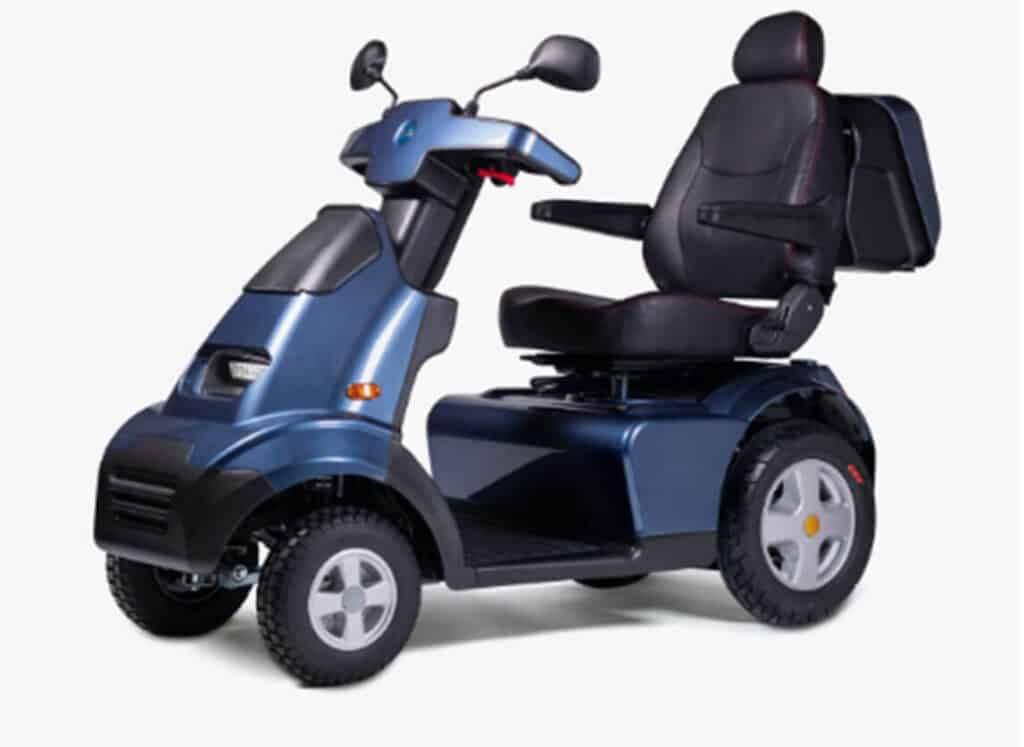
- Class 2 scooters: These are smaller, slower models that are limited to 4mph and designed for footpaths, pavements, and indoor use.
- Class 3 scooters: These are larger machines that can reach up to 8mph. You can use them on roads (when they’re switched to road mode) and on pavements (limited to 4mph).
Class 3 scooters are more powerful, more expensive, and more likely to be involved in public situations like crossing roads, navigating traffic, or moving near pedestrians. Because of that, most insurers strongly recommend cover for these models. And even if you have a Class 2 scooter, the risk of damage, theft or accidents still exists — especially in busy towns or tight spaces.
Why Getting Covered Makes Sense
Now that you’ve got a basic understanding of what insurance means for mobility scooters, let’s talk about why it’s a smart choice. Even though it’s not forced on you, it could save you from serious costs, long waits, or awkward legal situations.
Protecting Yourself from Accidents and Liability
Accidents happen. You could clip someone’s ankle, scratch a parked car, or knock over a display in a shop. If someone claims for injury or damage and you’re not insured, the costs could come out of your own pocket.
Third-party liability is one of the most important parts of mobility scooter insurance. It protects you if someone else gets hurt or their property gets damaged because of something you did while using the scooter. Whether you’re zipping through a park or crossing a road, you’ll feel much more confident knowing you’re covered if anything goes wrong.
Covering Theft, Loss or Damage
Mobility scooters are valuable — and not just financially. They’re your link to independence, freedom, and daily life. So what happens if it’s stolen from outside a shop, damaged in transit, or even vandalised while parked?
Insurance can help you repair or replace your scooter quickly, often without the massive costs that come with going it alone. Depending on your policy, you might even get a temporary replacement to keep you mobile while things get sorted.
And if you travel regularly or store your scooter in shared spaces, that risk only increases. Most insurers will cover theft from locked sheds, garages, and even vehicles — as long as basic security measures are in place.
Peace of Mind for Public Road and Pavement Use
Driving your scooter outside can feel great — until something unexpected happens. That could be an aggressive driver, a slippery kerb, or even someone stepping out in front of you. Accidents don’t just affect you; they can affect the people around you too.
Having insurance means you can use your scooter more freely and confidently, knowing that you’re backed up if anything goes wrong. That peace of mind can make a big difference, especially for people who rely on their scooter daily.
What to Consider Before Buying Insurance
So let’s say you’ve decided insurance is worth having. What next? Before you choose a policy, it’s important to understand your options, what’s usually included, and what can affect the price.
Types of Cover You Can Choose From
There’s no one-size-fits-all when it comes to insurance. Some policies are basic — just third-party cover — while others are more complete. Here are the main types you’ll come across:
- Third-party liability: Covers costs if you injure someone or damage their property.
- Accidental damage: Repairs or replaces your scooter after a crash or mishap.
- Theft and vandalism: Helps recover your scooter or its value if it’s stolen or deliberately damaged.
- Personal injury cover: Sometimes included, to support you if you’re injured while using the scooter.
- Breakdown assistance: Not always included, but handy if you use your scooter often or travel far from home.
You can often customise what you include based on your needs, lifestyle, and budget.
What’s Typically Included (and What’s Not)
Most standard policies will include third-party liability, accidental damage, and theft. But some things may be excluded unless you request them or pay extra:
- Damage from misuse or poor maintenance
- Accessories like baskets or lights (unless stated)
- Medical costs or loss of use
- Damage caused by others when you’re not present
Always check the details and ask if you’re not sure what’s included.
Things That May Affect the Cost
Premiums vary, just like with car insurance. Here’s what could change the price:
- Value of your scooter: More expensive models usually cost more to insure.
- Your postcode: High-theft or high-traffic areas can raise the cost.
- Your age or experience: Some insurers might ask how long you’ve used a scooter.
- The level of cover: Comprehensive packages will cost more than basic plans.
- How often you use it: Frequent outdoor use might raise premiums slightly.
It’s not just about finding the cheapest policy — it’s about finding the right balance between protection and price.
Where to Get Insurance and What to Expect
Finding a good provider doesn’t have to be a chore. There are several UK-based insurers who specialise in mobility equipment, and many offer quick online quotes or friendly phone support.
Finding a Trusted Mobility Scooter Insurer
You want to go with a company that knows the needs of scooter users — not just a general insurer. Look for providers that focus on mobility aids or have dedicated schemes for scooters. Some of the best-known options in the UK include Mark Bates Ltd, Surewise, Fish Insurance, and Blue Badge Insurance.
If you bought your scooter from a retailer, they might also offer their own plans or recommend someone they trust.
Comparing Policies and Benefits
Don’t just jump at the first quote. Compare what each insurer includes, how they handle claims, and what their customers say. Look for:
- 24/7 claims support
- Fast repair or replacement process
- Optional extras (like travel cover or servicing)
- Transparent terms with no hidden fees
It’s worth taking the time now to avoid frustration later.
Do You Need Breakdown Cover or Servicing Too?
Breakdown assistance isn’t always included in standard policies, but it can be a real lifeline — especially if you’re out on your own. Some providers offer nationwide recovery, while others partner with roadside services that specialise in mobility scooters.
You can also combine insurance with service plans that keep your scooter in top condition. Regular checks, battery replacements, and fault-finding help reduce the risk of unexpected problems.
Our Final Say!
So, do you need insurance for a mobility scooter? Legally, no. But practically, emotionally, and financially — there’s a lot of good reasons to say yes.
Insurance gives you confidence to use your scooter more freely. It protects you from things you can’t always control — accidents, theft, damage — and it ensures that if something goes wrong, you won’t be left without help.
Whether you use your scooter once a week or every single day, a good insurance policy can make all the difference. It’s a small step that offers a lot of security, especially when your independence and quality of life depend on staying mobile.
Take the time, explore your options, and choose a policy that works for you. Because at the end of the day, feeling protected lets you focus on what matters most — living your life without limits.